Discover the Beauty of Tropical Butterflies
Explore our comprehensive catalog of the world's most stunning butterfly species. From vibrant wings to fascinating migration patterns, dive into the colorful world of these remarkable insects.
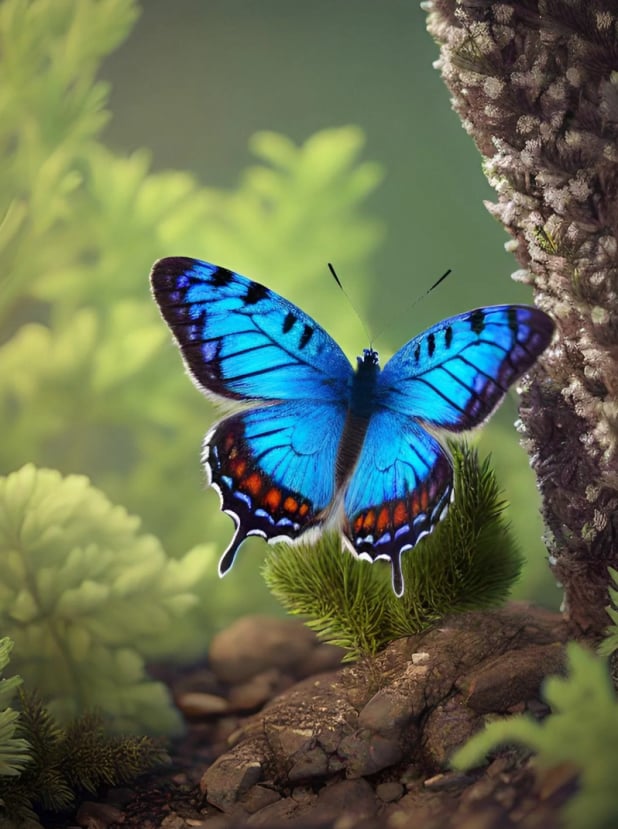
Explore our comprehensive catalog of the world's most stunning butterfly species. From vibrant wings to fascinating migration patterns, dive into the colorful world of these remarkable insects.
About Tropical Butterflies
Tropical butterflies represent some of the most visually striking creatures on our planet. With their vibrant colors, intricate patterns, and graceful flight, they have captured human attention for centuries. These insects aren't just beautiful—they're essential pollinators that support diverse ecosystems across the tropics.
Despite their resilience, many butterfly species face significant threats from habitat loss, climate change, and pesticide use. Understanding these remarkable insects is the first step toward protecting them. Our catalog aims to raise awareness about these fragile yet resilient creatures and highlight the importance of conservation efforts.
The tropical regions of our planet harbor the greatest diversity of butterfly species. From the Amazon rainforest to the jungles of Southeast Asia, these areas provide the perfect combination of climate, vegetation, and evolutionary history that has allowed butterflies to diversify into thousands of unique species.
Morpho was created to serve as a comprehensive resource for butterfly enthusiasts, researchers, and conservationists alike. By documenting these species in detail, we hope to contribute to both the appreciation and preservation of tropical butterflies for generations to come.
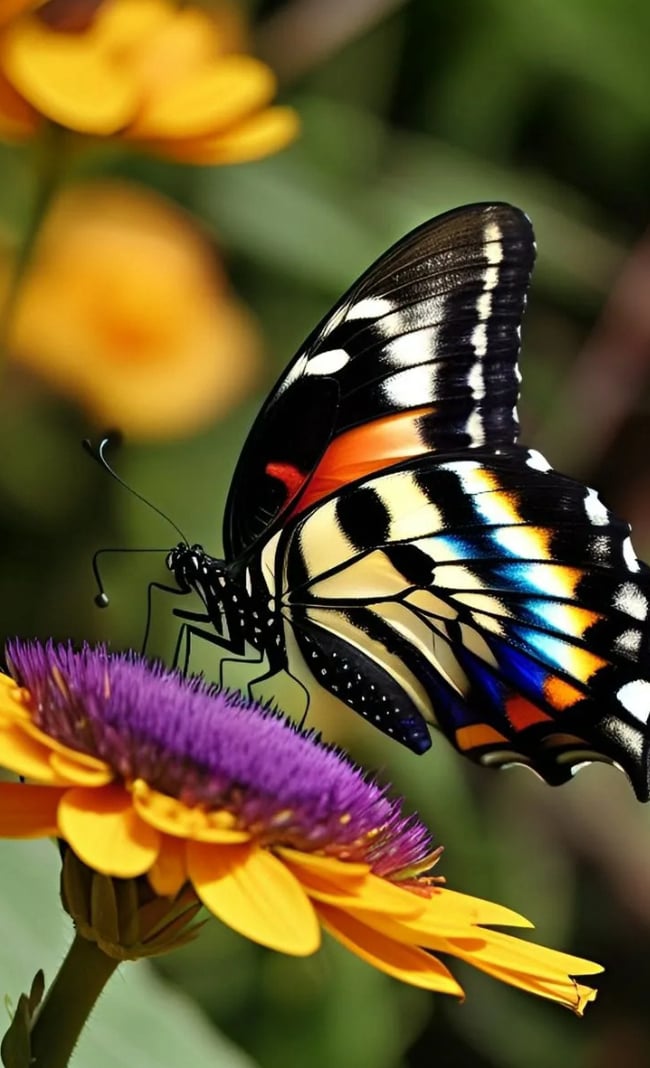
Our blog serves as a comprehensive resource for anyone curious about Morpho butterflies. We document observations from various tropical regions where these species naturally occur. Each article combines field notes with photographic evidence to paint a complete picture of Morpho behavior. We also examine the cultural significance of these butterflies across different societies. Our goal is to foster curiosity and respect for these living jewels of the rainforest.
Beyond simple documentation, we explore the ecological relationships that involve Morpho butterflies. We discuss their role in pollination and as indicators of forest health. The blog also highlights how climate patterns affect Morpho migration and breeding cycles. We collaborate with fellow enthusiasts to share diverse perspectives on butterfly study. Through this work, we hope to build a community of informed nature observers.
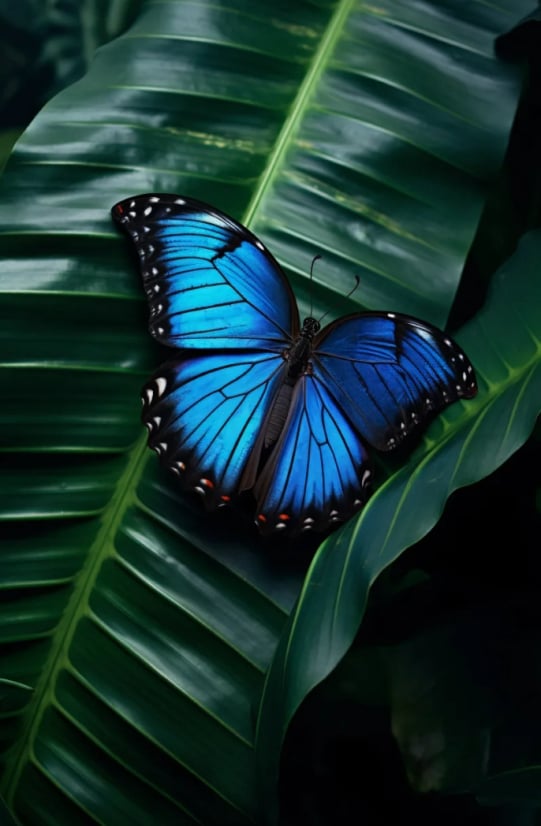
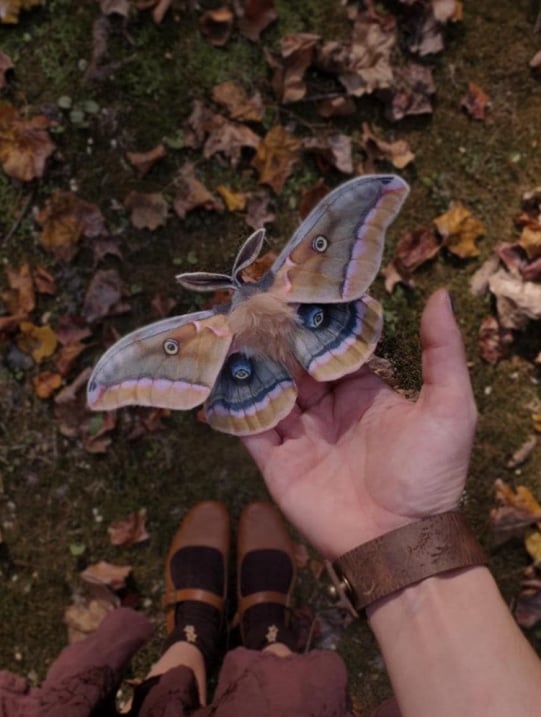
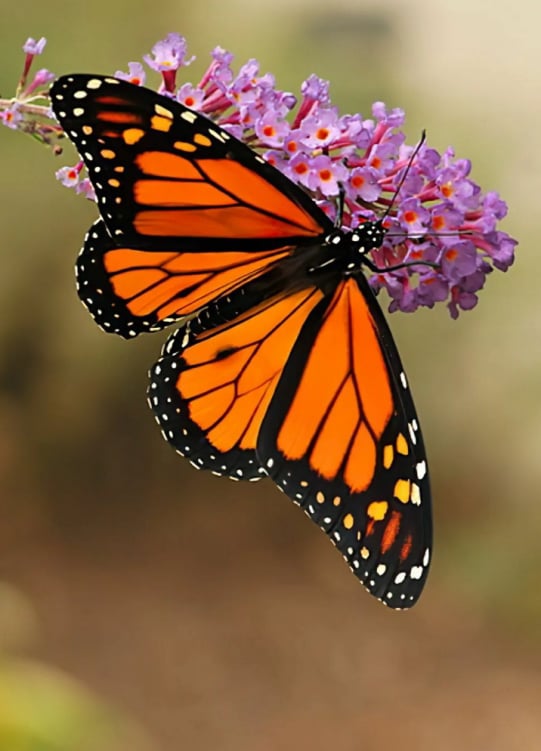
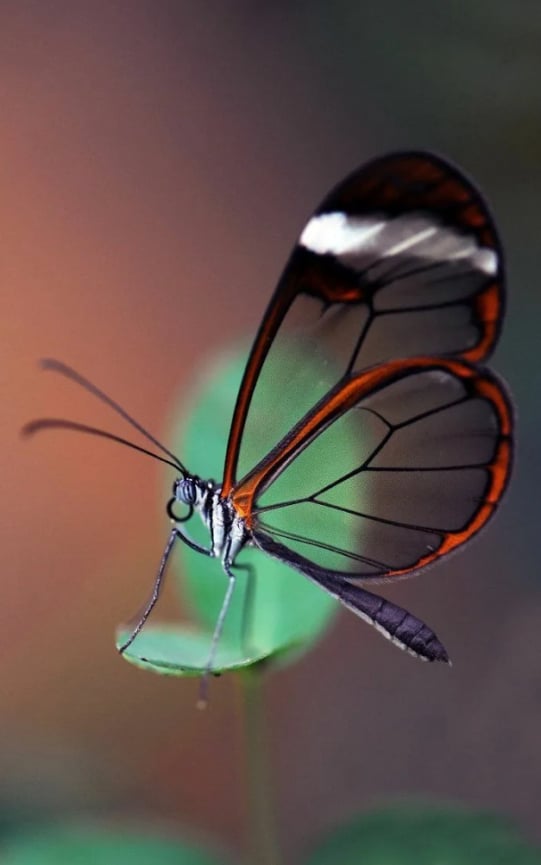
The blue color of Morpho butterflies comes from microscopic scales on their wings that reflect light in a specific way. This is a structural color effect, not a pigment. The effect changes with viewing angle, creating the characteristic shimmer.
Morpho butterflies inhabit tropical rainforests from Mexico through Central and South America. They prefer dense forest canopies near rivers and streams. Different species occupy various elevation ranges within these regions.
Adult Morpho butterflies typically live for about two to three weeks. Their lifespan depends on factors like predation, weather conditions, and food availability. The complete life cycle from egg to adult spans several months.
Morpho butterflies feed on fermenting fruits, tree sap, and occasionally flower nectar. They are known to prefer overripe fruits that have begun to ferment. Their feeding habits play a role in forest nutrient cycling.
Morpho butterflies require specific tropical conditions and host plants to survive. They are not commonly found outside their native rainforest habitats. Observing them in the wild remains the best way to appreciate their beauty.
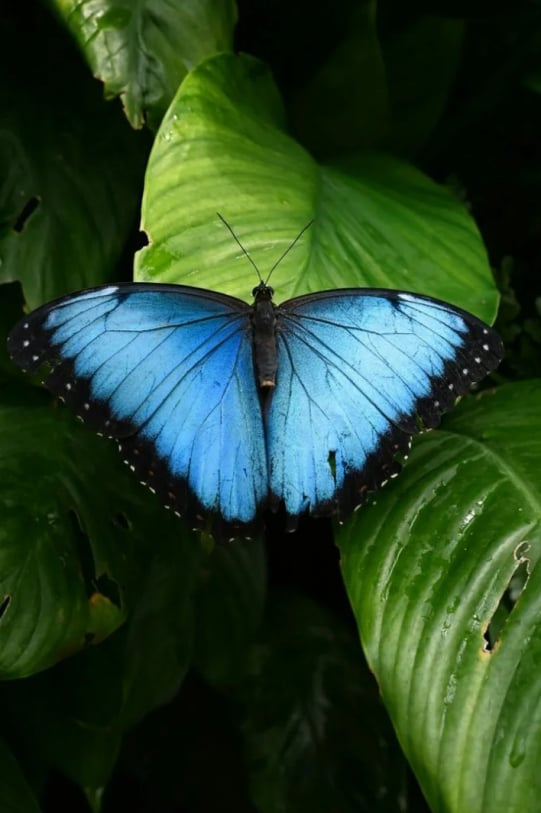
Rainforest regions of Central and South America
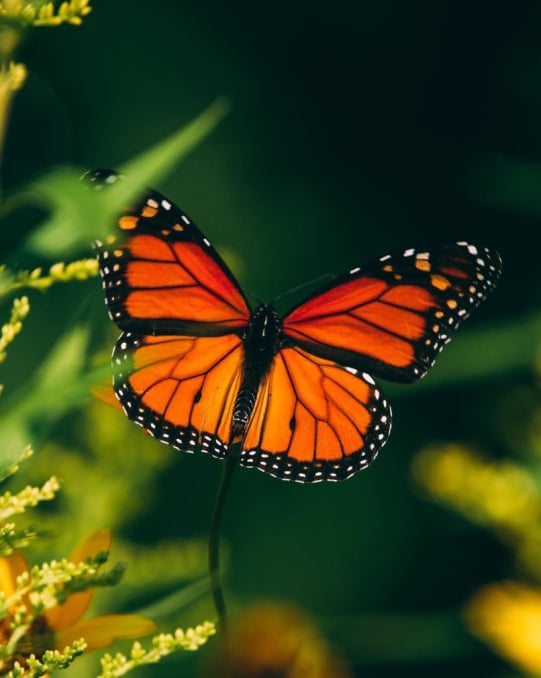
North America with migration to Mexico and Central America
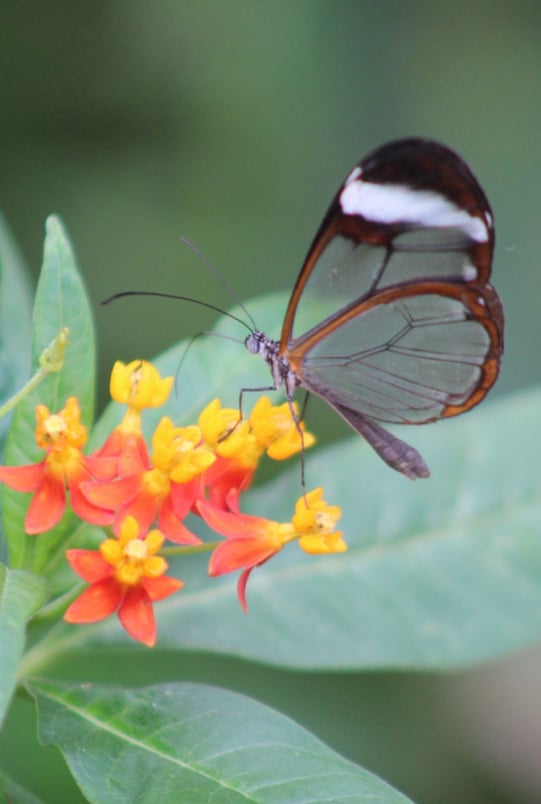
Rainforest from Mexico to Panama
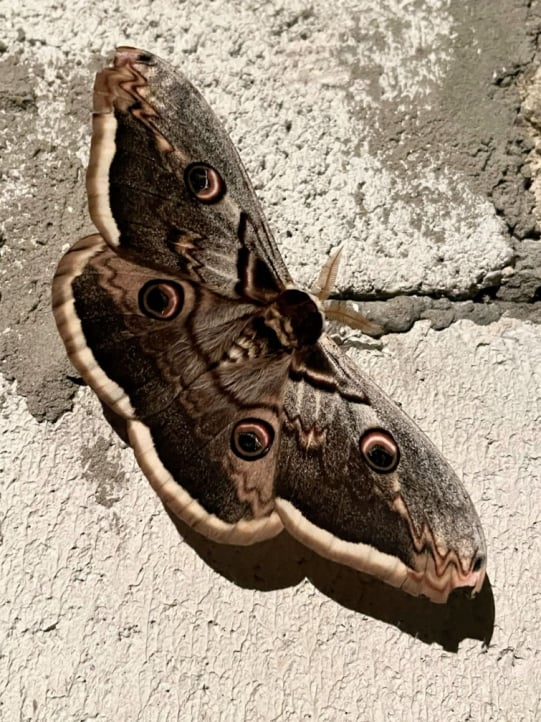
Forest of Southeast Asia