Atlas Moth
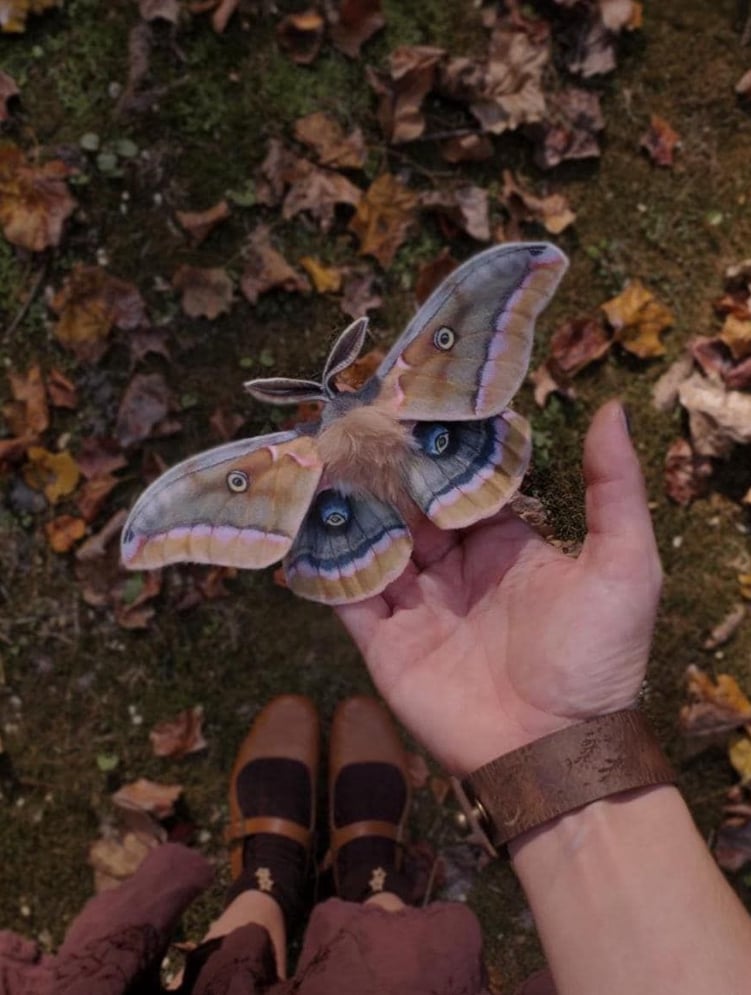
The Atlas Moth holds a place among the largest lepidopterans, with a wingspan that can exceed ten inches. Its forewings feature striking triangular tips that mimic the heads of snakes, a remarkable defensive adaptation. This resemblance deters many predators, such as lizards and birds, which mistake the moth for a dangerous reptile. The overall wing coloration combines rich browns, creams, and reddish hues, creating an intricate map of natural artistry. Despite its size, this moth is a master of camouflage when resting among tree bark.
Native to the tropical forests of Southeast Asia, the Atlas Moth is primarily nocturnal, becoming active after sunset. Adults do not feed during their short lifespan, which lasts only one to two weeks. They rely entirely on energy stored from their caterpillar stage, which consumes large quantities of host plant leaves. The caterpillars are equally impressive, covered in waxy white projections and growing to the size of a human hand. This species exemplifies the extraordinary diversity of moth forms found in equatorial regions.
The reproductive cycle of the Atlas Moth is tightly linked to seasonal rainfall patterns. Females release powerful pheromones that attract males from several miles away, a remarkable chemical communication system. After mating, the female lays clusters of small eggs on suitable tree leaves. The emerging caterpillars feed continuously for several weeks before spinning a large, papery cocoon. The adult moth eventually emerges from this cocoon, fully formed and ready to continue the species’ ancient lineage.